


Dealing With Mould In Rentals: Key Tips For Perth Tenants
Mould can appear in a rental home despite your best cleaning efforts. Tenants in Perth often struggle to secure their full bond back because of shabby black spots on walls, in basements, behind wallpaper, and on other hard to reach areas. The main culprits of mould related problems in any type of property are high humidity levels, dampness, poor ventilation and overlooked leakage/plumbing issues.
This not only causes structural damage but can also trigger pre existing allergies, asthma symptoms and other health hazards. So, it is a key responsibility to address the main cause and treat the issue before it gets worse. Today, we’ll explore the right strategy for dealing with mould in rentals to maintain hygienic living conditions. This guide will also help you understand whose responsibility it is to remove the mould, so tenants can prevent unfair bond deductions.
Let’s Get Started!
Hide
Show
- What are the Common Causes of Mould Infestation?
- What is a tenant’s responsibility when dealing with Mould?
- Are Landlords in Perth Responsible for Treating Mould Stains?
- Remove Mould Stains From Non Porous Surfaces with Vinegar
- Use 3% Hydrogen Peroxide for Porous Surfaces
- Tea Tree Oil: A Natural Mould Removal
- Banish Musty Odours From Carpets with Baking Soda
- Infographic: How to Remove Mould From a Rental Home?
- Wrapping Up
1. What are the Common Causes of Mould Infestation?
Mould is one of the most common fungal types that loves to grow in dark, damp, warm areas, causing damage to surfaces and human health. Here are some of the common reasons:- Persistent Humidity: If you live in an area where humidity is high, you may face this problem. In fact, high indoor humidity or moisture buildup in rooms can massively increase mould growth.
- Leaking Pipes and Taps: This is also a key cause of mould, especially behind drywall or under the sink. Leaking taps can contribute to dampness and mould infestation.
- Roof Leakage: Is your roof leaking due to wear and tear? Even a slow leak can trap moisture in your ceilings and attic, leading to unsightly mould on walls.
- Bathroom Condensation: In winters, some properties struggle with bathroom condensation due to temperature fluctuations.
- Poor Ventilation: A lack of fresh air indoors can cause moisture buildup, creating a perfect environment for mould growth. The stagnant air throughout your home can also trigger respiratory symptoms such as coughing and sneezing.
- Clogged Air Vents: This can block proper airflow, leading to humidity, especially in bathrooms, corners and the kitchen.
Make sure you identify these issues before calling experts for a guaranteed Vacate Cleaning Perth. This will save you a lot of time and energy!
2. What is a tenant’s responsibility when dealing with Mould?
There is no denying that both parties share responsibility to keep the rental in a clean and habitable condition. To help you understand better, let’s understand the rights and obligations of both tenants and landlords in Perth related to mould removal:
Under the tenant’s rights and responsibilities, they can’t be held responsible for mould caused by structural problems, plumbing issues, or a damaged ventilation system. You can even claim some sort of compensation or rent reduction with your local Civil Administrative Tribunal. It is better to inform your landlord and resolve it. Also, keep a Property condition report handy to compare the condition and prevent unfair deductions.
You are only responsible for mould damage caused by your negligence or poor maintenance of the property, such as dirty windows, walls, clogged air vents, or damp bathroom surfaces.
3. Are Landlords in Perth Responsible for Treating Mould Stains?
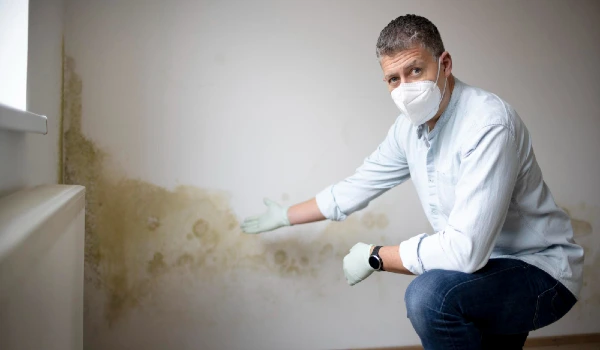
Under the residential tenancy laws in Western Australia, landlords and property managers are obligated to provide a property that meets the minimum living standards, i.e., a habitable or livable condition. This means that when roofing, plumbing, insulation, or ventilation system issues arise, landlords must fix them as soon as possible.
Landlords also expect their tenants to maintain a clean, condensation free and hygienic property. Failing to do so can allow them to deduct your bond money for a professional vacate cleaning Perth service or mould removal solutions.
4. Remove Mould Stains From Non Porous Surfaces with Vinegar
There is no denying that white vinegar is one of the most versatile and effective natural cleaning products for tackling mould stains. You can add equal parts white vinegar, warm water, and ¼ cup of rubbing alcohol to a spray bottle and apply it to the affected areas, such as the shower head, carpets, curtains, blinds, and windows. Leave it for a few minutes and gently scrub with a soft bristled brush until the stain vanishes. Rinse and dry the area.
5. Use 3% Hydrogen Peroxide for Porous Surfaces
Mould stains on surfaces like wood furniture or frames, concrete surfaces, tile grout, unsealed natural stone, etc., can be treated with hydrogen peroxide. It is one of the most effective natural cleaning solutions to combat stubborn mould stains.
Wear gloves and goggles, and open the windows to prevent the pungent smell from the product. After that, spray hydrogen peroxide on the surface and leave it for 10 minutes to break down the spores. Next, scrub the area with a clean brush in a circular motion.
Rinse and air dry the surface to prevent further re growth. Musty smells, coughing and even unpleasantly looking black spots on walls are some of the key signs your home needs a professional cleaning. So, it is better to hire experts in advance to prevent damage.
6. Tea Tree Oil: A Natural Mould Removal
Tea tree oil is a natural fungicide that can kill mould spores from almost all surfaces. It is a great choice if you already have allergy symptoms and are looking for an eco friendly solution.
Mix 2 to 3 teaspoons of tea tree oil with 2 cups of water, then pour the solution into a spray bottle. Apply it to the affected area and leave it for an hour. After that, scrub with a brush and wipe down with a damp cloth. Repeat if necessary.
7. Banish Musty Odours From Carpets with Baking Soda
Believe it or not! Baking soda can do wonders in tackling stains, germs and mould smell from carpets, rugs and other surfaces. Sprinkle a generous amount and leave it overnight. Next, vacuum your carpets the next day to remove unpleasant odours and mould stains.
If you are at the end of your tenancy, book experts for a quality vacate cleaning Perth and avoid last minute chaos and unnecessary bond decisions.
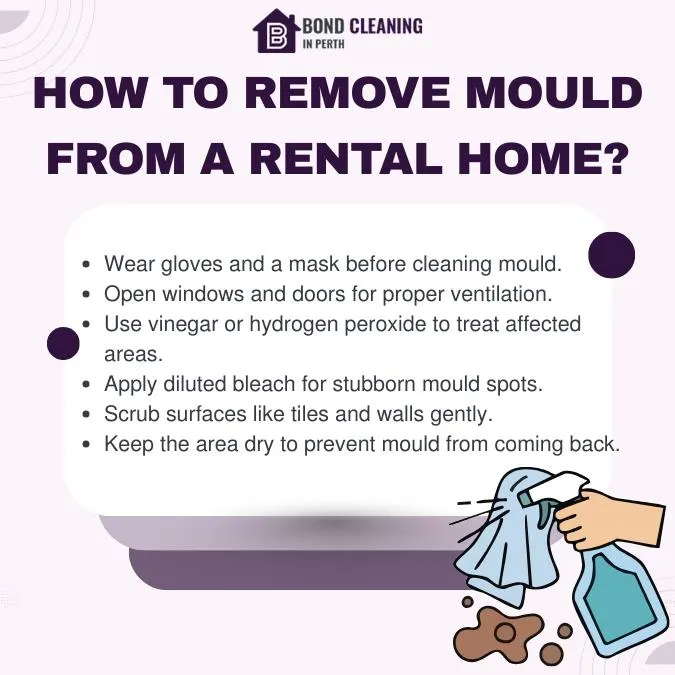
Infographic: How to Remove Mould From a Rental Home?
Wrapping Up
Nothing is more challenging than treating mould stains. When moving out of your rental property, make sure you effectively deal with mould and mildew grime using all natural cleaning products, such as vinegar, baking soda, hydrogen peroxide, etc. Also control moisture in your home, keep windows open, clean the air vents and tackle bathroom condensation with precision.