


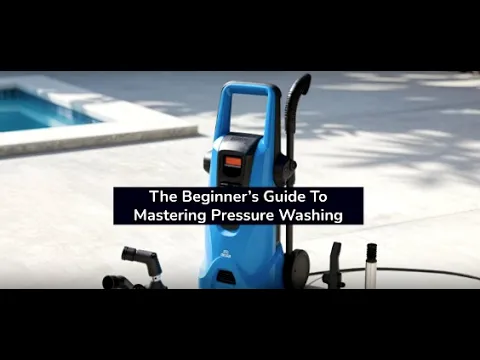
The Beginner’s Guide To Mastering Pressure Washing
Spotless and well maintained driveways, patio, and decks not only enhance the curb appeal of your home but also leave a great impression on guests and landlords. Every homeowner should prioritise exterior cleaning to prevent algae and mould growth, and long term structural damage. Proper and regular upkeep protects your home while maintaining its market value in the long run.
However, dealing with stubborn stains, such as algae, paint marks, grime and moss can be overwhelming. It requires a lot of time and elbow grease, especially if you live in a rental home in Perth. Leaving the outdoor area dirty before vacating can lead to bond deductions or awful disputes. Fret not! We bring you a beginner’s guide to using pressure washing for exterior surfaces. It is one of the most effective techniques for removing stubborn stains from hard and concrete surfaces in no time. Many vacate cleaning Perth professionals bring such tools to achieve the desired results without giving you a hint of stress.
Let’s Get Started!
Hide
Show
- What Is Pressure Washing or a Pressure Washer?
- Prioritise Safety: Things to Consider
- Prepare the Area To Increase the Efficiency
- Choosing the Right Cleaning Product for Effective Results
- How to Pressure Wash Wooden Decks?
- Pressure Washing Concrete Driveways
- Pressure clean Bricks and Vinyl Siding
- Infographic: How to use Pressure Washing for exterior cleaning
- Wrapping Up
1. What Is Pressure Washing or a Pressure Washer?
Pressure washing removes grime, mud, mould, and mildew from driveways, decks, bricks, concrete, exterior walls, vinyl siding, and fencing.
Under this, high pressure washer or water spray is used to clean surfaces. Different models have different power outputs measured in PSI and GPM. Higher PSI (Pounds Per Square Inch) means more cleaning power, making it perfect for algae and tough stains. Higher GPM (Gallons Per Minute), on the other hand, enables prompt coverage. The sole purpose is to restore surface appearance while reducing costly repairs.
As a beginner, it is important to choose the right nozzle and pressure setting for each surface to prevent damage. It is always a good idea to read the manual before using a pressure washer.
2. Prioritise Safety: Things to Consider
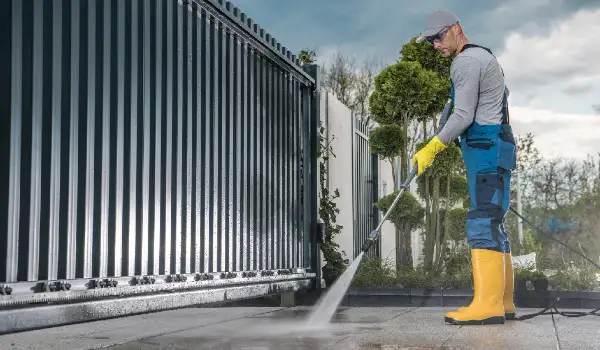
Pressure washing can cause injuries if done incorrectly. Keep these safety precautions in mind:
- Wear safety googles or a face shield to protect your eyes and face from watery spray and dirt.
- Use earmuffs because pressure washing can be very loud. Prolonged exposure to loud noises can cause damage.
- Always wear full sleeves tshirts and long pants, and of course, closed toe shoes for extra protection.
- Wear rubber gloves to protect your hands from cuts.
- Keep a safe distance when pressure washing surfaces.
- Never means never, point the water spray at anyone, like pets or kids.
- Keep electrical cords away from water and clear to avoid trip hazards.
3. Prepare the Area To Increase the Efficiency
Planning and preparations can do wonders when pressure washing your outdoor areas. Professionals also do necessary preparations for an expert vacate cleaning Perth to avoid lastminute jitters.
First things first! Eliminate any loose debris, such as dried leaves, rocks, twigs and other grime before pressure washing. Dry cleaning is important because these items can clog the nozzle or even cause damage to the surface.
If cleaning near the lawn area, cover plants. Even protect window glass and other delicate items that could be damaged by the high pressure water spray. You can use plastic sheeting to protect glasses.
Also, ensure you have direct access to the water supply to complete the task efficiently. You can also test the method and cleaning product on a small, hidden area to prevent damage.
4. Choosing the Right Cleaning Product for Effective Results
There is no denying that pressure washing can effectively remove stains and grime, but you need cleaning agents to break down gunk and grease. You can use degreasers to remove grease buildup and oil stains from driveways, bricks and patios. For mould and mildew, use hydrogen peroxide or white vinegar.
Bring concrete specific cleaners to clean concrete surfaces without causing any damage. You can also use baking soda, castile soap and soda crystals as eco friendly cleaning products to achieve the best results.
5. How to Pressure Wash Wooden Decks?
It is good to use a lower pressure setting and keep the nozzle at a wider angle when removing stains. Be cautions and gentle because wood can be easily damaged due to high pressure water. Never hold the nozzle in one place. Instead, keep moving in sweeping motion to achieve effective results. This method can do wonders in post construction clean up to achieve spotless results.
6. Pressure Washing Concrete Driveways
Believe it or not! Concrete driveways can withstand high pressure, but make sure you set the machine to a lower setting and move the water spray consistently. You can use a rotary nozzle to remove grease, grime, and stubborn stains. Ensure you overlap each pass gently to ensure complete coverage.
7. Pressure clean Bricks and Vinyl Siding
Similar to concrete floors, bricks also require lower pressure and work your way up. It is good to pay attention to the mortar to avoid damaging. Make sure you rinse the surface properly to remove residue buildup.
For vinyl siding, use a low pressure setting and avoid excess pressure or even do not come too close. Repeat the process and achieve spotless results.
Allow the surfaces to dry completely before applying any sealant. You can also hire experts for a quality vacate cleaning Perth and secure your rental bond.
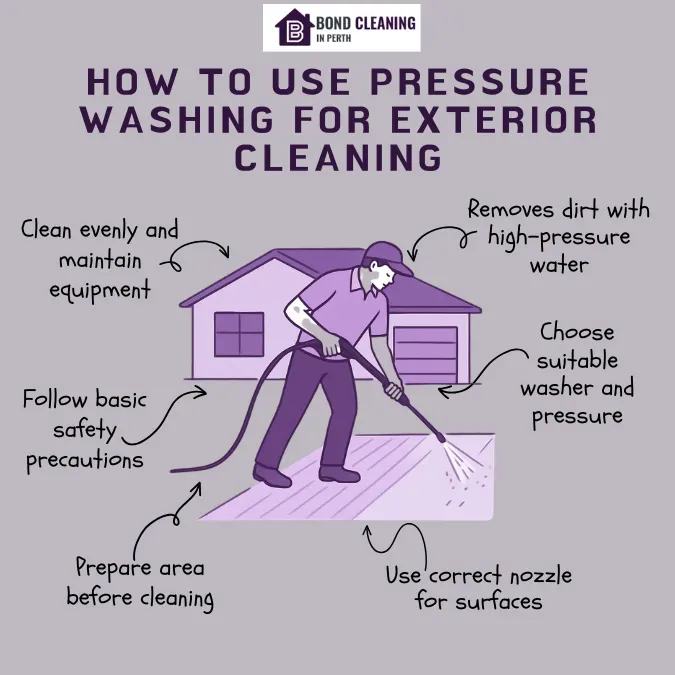
Infographic: How to use Pressure Washing for exterior cleaning
Wrapping Up
This is a beginner’s guide to using the pressure washing technique correctly. Now, you can also transform the look and feel of your exterior space and leave a lasting impression on your guests.