



7 Things You Should Never Clean With Vinegar
Whenever you think of an eco friendly and effective cleaning product, white vinegar based DIY cleaning recipes always top the list. With 4 to 8% acetic acid, vinegar can do wonders at breaking down stubborn stains and dirt molecules from various surfaces. It has a pH of around 2.4 to 3.4, making it an ideal product for disinfecting surfaces and removing pet stains and mineral deposits.
Although diluted white vinegar is a popular non toxic cleaning solution, it can harm delicate surfaces if used cautiously. The acid can react chemically with delicate surfaces, causing fading, warping, erosion and permanent damage.
That’s one of the reasons why professional vacate cleaning Perth experts refer to the condition report and click before and after photos to help tenants claim their bond in case of any dispute or deduction. Worry not! We bring you a list of surfaces you should never clean with vinegar. This guide will also cover safe alternatives to help you achieve top quality outcomes like a pro.
1. Natural Stone Countertops
Removing food spills, splatters, gunk and oil stains from stone countertops require a lot of elbow grease. However, many households use white vinegar on natural stone countertops, such as marble, granite and limestone, to cut through grease and gunk. The acetic acid in vinegar can etch and dull the finish, leading to costly repairs when vacating a rental home.
Instead, professionals recommend using baking soda paste or mild detergent to remove grease, oil stains and grime. Apply the product and leave it for a few minutes. Then, scrub stains with pads to remove stains and gunk.
2. Hardwood Floors and Furniture
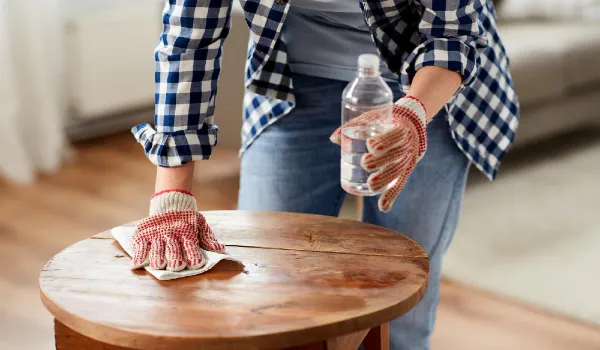
It is always good to read the manufacturer’s instructions when cleaning wooden floors. They usually don’t recommend using white vinegar for tackling stains and grime. Using vinegar can simply go against warranties, causing permanent damage to the floors. Even diluted vinegar can harm the protective wooden finish, leaving scratches.
What to do instead?
- You should always follow the manufacturer’s cleaning guidelines before applying any cleaning product.
- If no instructions are available, you can opt for products formulated specifically for hardwood floors.
- Also, test the product on a hidden area to prevent damage.
3. Small Kitchen Appliances
The glass and plastic surfaces on coffee makers, blenders, toasters and other small kitchen appliances are safe to clean with diluted white vinegar. However, you should avoid using it on rubber or metal parts. The acid in vinegar can corrode the metal and stainless steel, especially the lower quality ones.
Highly professional vacate cleaning Perth experts recommend using diluted dishwashing soap or castile soap for cleaning kitchen appliances. They can help you secure your rental bond money. Make sure you dilute one part soap with two parts warm water. Spray it onto the affected area, or simply wipe it down with a microfiber cloth.
4. Never Use Vinegar on Electronic Screens
Spraying vinegar directly on your smart TV, phone, computer screen, or tablet can lead to costly repairs. It can damage the anti glare screen and even make a touchscreen less responsive.
Instead, dampen a cloth in a mild dishwashing liquid and warm water solution, squeeze out excess water and wipe down your electronic screens. Ensure you buff dry properly to avoid streaks.
5. Do Not Use Vinegar On Ranges and Cooktop
White vinegar won’t damage the rangehood or cooktop. However, the metal in ranges and cooktops is usually coated in enamel. If the surface is greasy, vinegar won’t be very effective.
Instead, use a thick paste of baking soda. Apply a thick coat of baking soda and leave it for a few minutes or until you scrub with a sponge or a soft bristled scrubbing pad.
6. White Vinegar Can Damage Tile Grout
White vinegar should not be used regularly on grout lines because its acidic property can corrode, degrade and weaken the cement based grout over time. A vinegar solution dissolves mineral deposits in the grout, leading to porous lines that can ruin sealants.
If you don’t want to damage tile grout lines, use hydrogen peroxide. Use 3% of it on the affected area to remove mould, soap scum, grime and gunk effectively.
7. Silverware
Stainless steel silverware and cookware should not be cleaned with white vinegar. It can corrode the silverware, causing permanent damage. Use gentle dish soap and warm water to remove stains from the surface. It is also recommended to use silver polish or baking soda paste to restore the lost shine.
However, many tenants prefer hiring experts for a guaranteed vacate cleaning Perth to pass the final rental inspection. They come fully equipped with all the necessary supplies and a pre-approved cleaning checklist to give you peace of mind.
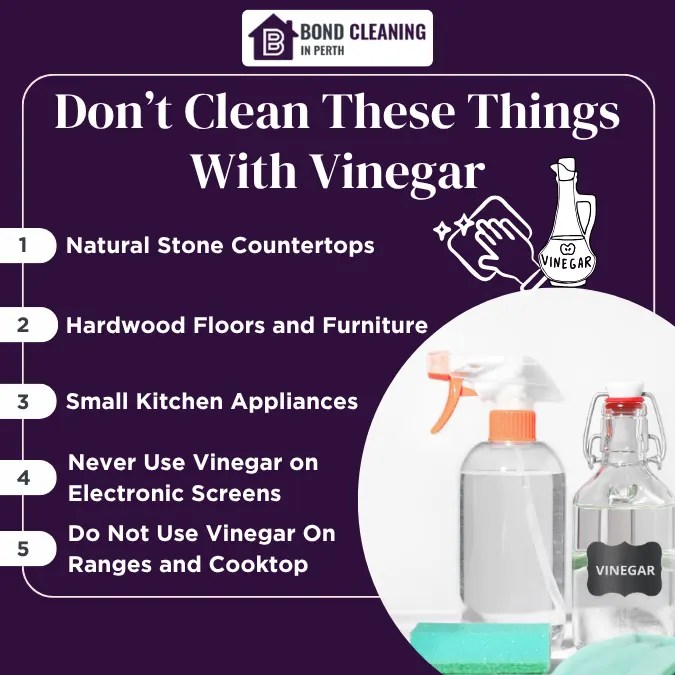
Infographic: Don’t Clean These Things With Vinegar
Wrapping Up
There is no denying that white vinegar is one of the excellent eco friendly cleaning solutions for glass, plastic, and non porous surfaces. However, it can damage surfaces such as natural stone countertops, marble floors, wooden furniture, and metal. Make sure you carefully read the manufacturer’s instructions before cleaning and use the right product, especially on delicate surfaces.